
What Palliative Care Really Means (And Why It Matters)
Feb. 3, 2026About this Episode
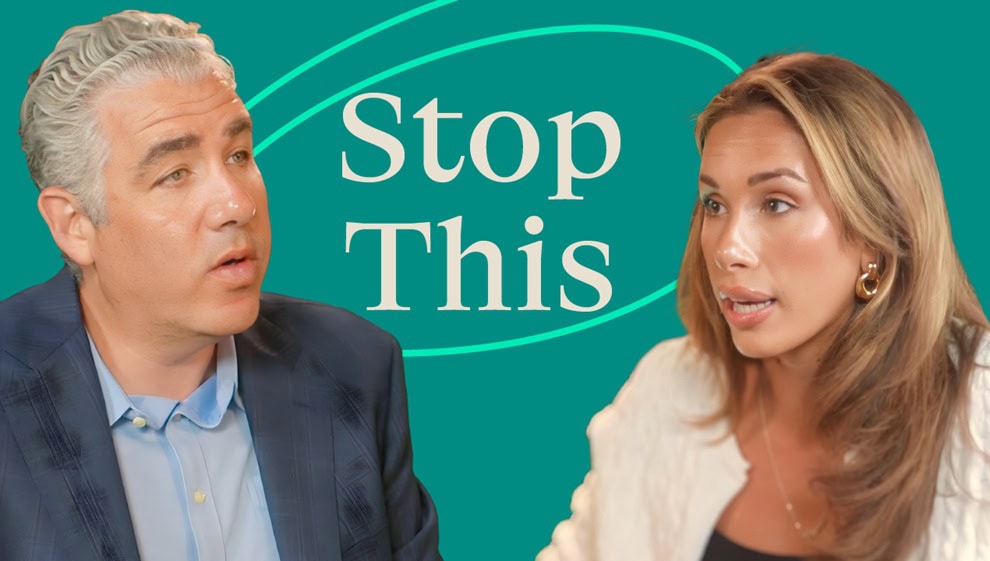
Palliative care is one of the most misunderstood services in healthcare—and palliative care is also one of the most important tools for improving quality of life for patients and families. In this episode of Who Cares, co-hosts Elyssa Katz and Dr. Steve Landers break down what palliative care really is, who it’s for, and why it matters at every stage of serious illness.
This episode is a long-overdue deep dive into palliative care, led entirely by Elyssa Katz and Dr. Steve Landers. Together, they cut through confusion, address common misconceptions, and explain why palliative care should be a core part of person-centered healthcare in America. With Dr. Landers’ clinical expertise in hospice and palliative medicine and Elyssa’s policy and advocacy perspective, the conversation brings clarity to a topic that is often oversimplified—or avoided altogether.
At its most basic level, palliative care is an extra layer of support. Elyssa and Dr. Landers explain how this model of care focuses on comfort, independence, and the whole person—not just a diagnosis. Palliative care addresses pain and symptom management, helps align care with patient goals, and supports both patients and families as they navigate complex medical decisions.
A major theme of the episode is how palliative care works alongside other medical treatments. Unlike hospice care, palliative care does not require patients to stop curative or life-prolonging treatment. It can be introduced at diagnosis, during aggressive treatment, or at any point when symptoms or care coordination become challenging. Elyssa and Dr. Landers discuss how palliative care teams help ensure providers are communicating effectively and that care plans reflect what matters most to patients.
The hosts also explore where palliative care is delivered. While many people associate it with hospitals, palliative care can be provided in outpatient clinics and increasingly in community-based settings, including the home. Dr. Landers explains why access to palliative care outside the hospital is critical for improving patient experience, reducing unnecessary hospitalizations, and supporting families where they want to be.
Eligibility is another key focus. Palliative care is not limited to older adults or those at the end of life. It can support children, working-age adults, and anyone living with a serious or chronic illness. The conversation highlights how palliative clinicians are uniquely trained to manage both disease-related symptoms and the side effects of treatments, while also helping patients navigate uncertainty and changing expectations.
Finally, Elyssa and Dr. Landers address one of the most commonly searched questions online: What’s the difference between hospice and palliative care? While hospice is a form of palliative care for people in the final months of life, palliative care itself is appropriate at any stage. Understanding that distinction can help people access support sooner—rather than struggling without help.
This episode is an essential listen for care leaders, clinicians, policymakers, and families who want a clear, honest explanation of palliative care—and why it plays such a critical role in the future of care at home.
-
➤
Transcript
Elyssa Katz
Welcome to Who Cares, the podcast from the National Alliance for Care at Home, where we explore how policy, people and purpose intersect and care at home. Today we’re going back to basics with an essential question what is palliative care and why does it matter for every family at every stage of life?
Today we’re talking about one of my favorite topics, and that’s palliative care. We are long overdue for this episode because we’ve covered every other service line that the Alliance encompasses, but we haven’t done a dedicated deep dive into palliative care, so I’m excited to get started with that today.
And just to set the scene, palliative care is an extra layer of support. I think, you know, if we were to sum it up quickly, that’s how I would describe it. So often palliative care is confused and conflated and over complicated, but it really is that additional layer of support that’s there for you and your family.
How would you describe palliative care to someone who wasn’t familiar?
Dr. Steve Landers
Palliative care is about comfort. It’s about independence. It’s really about the whole. The big picture for a person that usually has a serious medical problem, okay, somebody that has a diagnosis that has challenges that they’re going to have to navigate. Palliative medicine palliative care is about addressing those symptoms, addressing their goals of care and looking at the big picture, the whole person in terms of what their needs are so that they can live the best life possible in conjunction with whatever medical treatment they might be getting for this diagnosis.
Palliative care. It’s not about any given diagnosis. You know, a lot of our medical specialties, I actually I’m trained in specialized in hospice and palliative medicine. It’s a medical specialty. And what I love about that is it’s not focus just on one part of the body or one disease. We really are focus on the whole person.
Elyssa Katz
Absolutely. And another piece of that is that palliative care can help coordinate care between teams. So if you’re receiving another type of treatment. Your palliative care team can come in and make sure that your providers are speaking to one another, that your pain is eased and the way that it should be based on the other treatments that you’re receiving.
So there’s also this added layer of care coordination that you don’t see in many other health care settings, right.
Dr. Steve Landers
The care coordination is an essential. And I think if we if we think about like in our country, the best, cancer centers, the best neurological institutes and heart centers in, in people that have these serious conditions where they can go to get care the best, the best include palliative care as part of the team and the organization because it’s we don’t want these things separate.
We don’t want our, you know, neurologist focused on our neurological condition in a vacuum. And then you know, our other doctors and other care providers kind of not part of the team. We want all these specialties to work together to get the best possible outcome.
Elyssa Katz
And you alluded to actually where I was going next, which is where do you get palliative care. We talk about community based palliative care which is often at home, you know, in the, in in the alliance. But palliative care is provided in hospital settings and outpatient clinics. It can be wherever the patient is already going.
Dr. Steve Landers
Right. Well, when I learned about palliative medicine and palliative care, most of that was in a hospital like so, you know, when I did my training way back, you know, before cars and all that stuff you know, they were just talking about wheels and things. But the most I learned about palliative care in a hospital in hospital based palliative medicine, in palliative care, teams are critically important.
They’re helping people at really tough times. Maybe they’re getting active treatment for cancer and they’re having pain and nausea and other symptoms, or they’re having shortness of breath related to their heart condition. And those palliative teams really help to make sure that people’s symptoms are addressed as best as possible.
And also, what’s the next step in their care? Can the person go home? What would be needed for them to go home? Are there end of life care planning needs that happens in the hospital? Those palliative teams are tremendous. But you know, we’re very passionate about what happens outside of the hospital because we know that’s where people want to be, where families want to be.
The health system is less expensive when people can remain in the community. And community based palliative in outpatient palliative services are really important. So I would just recommend to people, if you think this might be relevant for you to ask your primary care doctor or your specialist, or if you have a local home health organization or even a hospice provider, they should be able to direct you in the right, the right place.
Elyssa Katz
Absolutely. We’ve talked about what palliative care is at the most simple level. You mentioned that it’s for any diagnosis. Can you speak to what a patient or individual might be experiencing when palliative care becomes the right option for them. And also, I think it’s worth noting that palliative care is not just for older individuals.
Palliative care can be provided to anyone living with a chronic condition. It’s provided to pediatric patients or children, so who would be eligible or appropriate for palliative care?
Dr. Steve Landers
I think that that palliative is most appropriate for people that have a serious illness, something that is likely to be difficult to treat. It’s not going to easily resolve. Maybe it’s something that’s likely to linger for many months, if not years, and even something that may eventually be commonly associated with, you know, people ultimately you know, dying from that, that, that condition.
And so I think that it’s something that can help people on their journey, especially let’s say you need to get some type of aggressive treatment for this condition that involves, you know, chemotherapy surgeries, radiation treatment you know, other medications or procedures that leave you potentially with symptoms also.
So it’s not just the symptoms of the disease that palliative care will focus on, but also symptoms associated with the treatments and making sure that you have the best chance of minimizing side effects and being able to continue. And and also, you know, palliative can be really helpful when things aren’t going the way people hope that maybe they thought that a given treatment was going to kind of be the end of the line and fix everything, but it seems like their problem is coming back or getting worse.
And, uh, palliative, uh, clinicians, the doctors and nurses that do this work, they’re really good at having kind of problem solving conversations with people and kind of balancing through thinking through the risks and benefits of different choices that they might have. It’s another voice to have alongside your specialist in this journey?
Elyssa Katz
Absolutely. A lot of times palliative care clinicians are especially trained in having those conversations. So they come with the tools and resources and are ready. And they really see that as part of the care that they’re delivering, you know, as it should be. And you mentioned that people can get palliative care during different phases of illness.
So that’s another amazing aspect of palliative care is that if you were to look at the full care continuum, palliative care could be plugged in at any point. It could stay with you from the beginning of your diagnosis all the way through to the end when you are appropriate for hospice care, because hospice is still palliative, palliative in nature or, you know, you could intermittently receive palliative care when something pops up that you need to address.
And then maybe that pain subsides, maybe it’s managed and that’s no longer appropriate. So pilot of care goes with you through the care continuum and like we said, that can be wherever you are. It’s designed to meet you where you are and give you a better quality of life while you’re navigating your illness.
Dr. Steve Landers
Yeah. You got it. And and and hospice. Like you said, hospice is a palliative model. It’s just a palliative model for people at the end of life in their last six months of life where the goals are clearly, uh, comfort and, it’s a wonderful approach. And I think that that, you know, any point in people’s journey, it doesn’t need to be towards the end, ideally, actually, if people with serious illness get engaged with palliative care earlier, there are good chances that they are going to have less symptoms.
Actually, there’s been some evidence that they might even live longer if they get palliative care early when they have a serious diagnosis. So it’s something that people should be really, uh, oriented to. It’s not something that we talk about every day. Again, we talk about all the stuff that nobody else talks about.
Elyssa. I mean, the topics that we dive into are the things that you just can’t find anywhere else because we’re not afraid to talk about the things that kind of sometimes gets swept under the rug. And I think that’s terrible because people then are on these journeys alone. They don’t have the. They miss out on help that they can have.
So nobody should be afraid about palliative care or palliative medicine. It is a wonderful philosophy. Care philosophy. The people that are trained in this field are some of the smartest and most caring people that you’ll ever meet in your life, and they are going to help you be more comfortable, more independent and problem solve in this journey that you’re on.
And it’s really critical that people know about this.
Elyssa Katz
I couldn’t agree more. I really appreciate that problem solving framing. I think that applies really well, and just one more thing to note. I don’t love always talking about hospice and palliative care together, because we don’t want people to conflate the two, but they actually from caring info, which is the Alliance’s consumer resource.
We do some SEO research to see what people are searching for and how we can kind of answer their questions so that they come to our website and can make empowered decisions about their care. One of the most frequently googled things is hospice versus palliative care. People don’t know. So we do have to explain the difference.
And I think in a nutshell, to your point, hospices for the end of life, you are required to have that six month or less prognosis, whereas palliative care is at any point in care. It’s that extra layer of support. So people do want to have these conversations. The information isn’t out there as readily accessible as we want it to be.
So I’m glad we’re talking about it today.
Dr. Steve Landers
I’m glad we’re talking about it, too. And I think that the reason that it’s difficult to talk about hospice and palliative care together is just because hospice is such a weighty topic, right? It’s a hard conversation. It, you know, it invokes death in many respects because it’s about the very end of life.
I have to say that it is a wonderful palliative model and a lot of the same concepts that help people, with palliative care earlier with their care earlier in their disease course are very relevant later. And there’s a lot of overlap in the knowledge base and in the philosophies.
But it becomes difficult, like you said, to talk about them together because of how weighty the conversations are.
Elyssa Katz
Yeah, I love hospice. I will never, ever say anything else. I think it’s so important, but I’m glad that we’re giving palliative care. It’s due time today. So now that we know what palliative care is and who it’s for and how critically important it is, let’s talk about the current state of play where things are going what’s happening right now.
And there is a lot of movement around palliative care, which is exciting. It’s starting to see it’s time and the light. I mean, it’s been around, of course, and been supporting patients and families for so long, but it doesn’t get the attention that it deserves or the funding that it deserves in a lot of instances.
So that’s why it’s really exciting to have this new Ascent research consortium that’s created that the alliance has been a part of, which is going to get $64 million in funding to support palliative care. So this consortium has four main goals. Aim one is to develop a national scientific infrastructure and community that is needed to advance palliative care research.
Aim two is to create new research knowledge from that community and different research methodologies that we aren’t using right now. The third aim is to foster career development, which we know is so important right now in our lagging workforce. And there are two different pilot programs and awards and educational methodologies and mentorship programs that they’ll be trialing.
And then the fourth aim is to disseminate all of those findings, all of that research to the rest of the scientific community and medical community, so we can put those new best practices into action. So it really is an exciting and optimistic look forward for palliative care.
Dr. Steve Landers
I agree, I think, you know, in thinking about this, we might have been a little misleading. I mean, we’re both very passionate about palliative care. We understand the impact that it has on patients, families and the whole health system, but it has not grown enough. Palliative is not as widely available.
The funding for it is not as strong as it should be and could be. And so I think that this focus on research on high level information generation and studying models and practices is critically important. I mean, this is a group they’re bringing together researchers from, you know, leading centers across the country, I think.
I wonder if I can remember all of them, but University of Colorado and NYU and Children’s Hospital of Philadelphia and Duke, and this is an incredible initiative, and that can help to generate better knowledge so that we can, you know, build on that to grow palliative program and also training, training and education.
There are not enough people trained in these fields and in both as researchers and in the academic space, but also to go out in the community. We need more, more training so that these, you know, life changing services can be available to more people.
Elyssa Katz
Absolutely. And while we’re talking about training, we should also talk about Peshitta, which if you heard me say that and your eyes rolled, then you’re in this community because you’ve been talking about Peshitta or the Palliative Care and Hospice Education and Training Act for quite some time, but it’s a really important piece of legislation that is going to further invest in in the workforce for hospice and palliative care, which we know we’ve talked about many times, is sorely needed.
So right now, this bill has been introduced on the Senate side by Capito and by Baldwin, and on the House side by Carter and Bera. So there is, you know, additional co-sponsors on the bill. There’s a lot of excitement around it. We want to keep moving it forward. We know that this has stalled out in the past, but it doesn’t mean that there isn’t support, widespread support from a lot of different national and state organizations.
So it is important and even our congressional champions see that we’re going to continue to push that initiative forward, because there’s nothing more important right now than that workforce and how we can sustain and grow.
Dr. Steve Landers
It’s important. It’s common sense. This is the type of strategic health policy that our country should be prioritizing, especially with an aging country growing population of older people. We’ve got to figure out how to support people in the community setting, remain as independent as possible, even when they have serious illness.
And so I wholeheartedly agree. It seems a little bit policymaking right now. We’re not doing as much strategic. This year we’ve had, you know, these government shutdown issues where we’re just dealing with, you know, how do we keep the government open for a few months, let alone funding and education and training that will impact people’s lives over decades to come?
We’ve got to focus on this type of work. And, you know, let’s hope that we can get some movement here.
Elyssa Katz
Yeah. And so while we’re investing in the future of palliative care, which is what both of these kind of hot topics are thinking and thinking about and working on. We also know that there’s been demonstrated success with the palliative model. And specifically I’m talking here about the Medicare Care Choices model, or MCM, which we’ve talked about in the podcast before.
But can you break that down for us? How is that shown that palliative care or concurrent care works for patients?
Dr. Steve Landers
One of the things that’s held back palliative care is that there’s not been sustainable funding mechanisms to do it. You know, within the Medicare program, if you go and you look in the Medicare manual and you know, you’ll see home health and hospice and nursing facilities and hospitals and doctors, but you can’t find the palliative section.
It’s not there. There’s not a specific model for paying for and organizing this type of care. And one of the most promising ways to expand palliative would seem to me to be this Medicare Choices model. So we’ve had a demonstration program that was tested. I was actually a part of it in New Jersey where we looked at.
This is a model that allowed people to get care from a hospice. So the care was provided by a hospice and a hospice team, but they didn’t need to forego their curative care while getting this team care. So the person maybe they had serious, you know, a serious life limiting condition, cancer, for example.
And they’re continuing to get treatment. And at the same time, they were able to get care from this Medicare Choices team that gave them, you know, this, this holistic, comprehensive palliative like care. And you know, what happened when people got this is that their symptoms were better controlled.
They got, you know, more care oriented towards their goals, and it saved the system money. So it’s one of these things that it seems to be a no brainer. Actually. The analysis was written up in Health Affairs, a really well known health research for Mathematica. Did the analysis of it. This is if policymakers are looking for low hanging fruit to expand palliative care.
This is a great option.
Elyssa Katz
Yeah, absolutely. And I know I said I wouldn’t conflate hospice and palliative care. And here I am talking about them together again. But one of the other interesting things that came out of this model was that people started hospice care earlier. And we know that so often people don’t get hospice care until it’s far too late, or at least not as soon as they’re eligible to receive it.
So that’s a whole nother conversation about the prognosis requirements and what that looks like. But anything that can help move people to care, that will help them sooner, has to be a good thing.
Dr. Steve Landers
Yeah. I want to take a little bit of a risk here and talk about something that I think is a real problem in our system, which is that hospice, which we’ve talked about is a national treasure. It’s a incredible benefit. It creates such value, but it creates a dynamic where it feels like people have to make this very stark, black and white decision, okay, that in order to enroll in hospice that you are stating sort of affirmatively that your goals of care are comfort rather than cure, and that you’re essentially forgoing cure, you know, quote unquote, curative care as you enroll in hospice.
Well, I think the medical realities and the realities of people’s decision making should be more gradual and staged over time, that these decisions shouldn’t be so high stakes. One moment in what a model like Medicare Choices allows people to do is while they continue to seek treatment from, you know, medical specialists and surgeons and what have you for their serious medical condition.
They can also start getting care that is more symptom oriented and more whole person oriented and then make decisions day by day about where the forks in the road are. Rather than having this, you know, kind of, stark, high stakes, one moment decision.
Elyssa Katz
Yeah. I’m glad he took the risk. I couldn’t agree more. I think, you know, in short, it’s really making the system work for the patient rather than making the patient work into the system, and it’s encouraging to see, you know, the new research and the new funding for palliative care initiatives.
And I hope we can continue to go down that pathway and help palliative care expand to the way that it really should be provided.
Dr. Steve Landers
Yeah, we’ve got to see the growth in this high value, uh, you know, comprehensive approach to care. It’s it’s it’s it’s a wonderful thing for patients and families. And it’s grown more in hospitals. So inside the inpatient setting there’s been a, you know, a steady expansion of palliative care.
But we need to see more in the community and in the outpatient setting as well.
Elyssa Katz
There’s momentum and palliative care. We’re aligned on why it’s important. What is the Alliance looking for in the future? Like what do we hope happens with palliative care and our policymakers?
Dr. Steve Landers
Palliative needs better funding mechanisms so that it’s sustainable and can grow. We know that when, you know, policymakers put in place models within the Medicare program or even at a state level in Medicaid that are clear and, you know, that providers can follow, then they can, you know, invest in and grow these services in their communities.
So what we are focused on with respect to palliative are finding opportunities that will sustainably fund and support this type of high value care.
Elyssa Katz
Yeah. And to your point, I think, of course the national level is important and we’ll we will not let up the gas there in any regard. But it’s been really interesting. I actually learned recently that there’s a Medicaid community based palliative care benefit that was originated in Hawaii in May of 2024.
So when we talk about like, oh, there’s no palliative care benefit. Well, yes, that’s true. But also there are states that are innovating and providing this service to people in their communities that need it most. So that gives me hope. And it’s interesting to explore, like, what could the state by state level look like while we’re continuing to push forward the national dialog?
So just making sure that everyone’s up to date on what’s truly happening in palliative care, because there is a lot of progress, and we’ll just continue to push and work with policymakers to make sure that there’s continued funding and research that allows us to expand that progress.
Dr. Steve Landers
For sure, that state level experimentation is always helpful. And I don’t know, just in listening to this, I’m thinking maybe the Alliance team needs to take a site visit to Hawaii to make sure that this is going correctly.
Elyssa Katz
Definitely. Yeah. Okay. Imperative. Yeah. See you in Hawaii.
Dr. Steve Landers
Aloha.